https://en.wikipedia.org/wiki/The_Royal_Family_and_the_Poor
Origine Liverpool, Inghilterra
Generi Post-punk, new wave, elettronica
Anni di attività 1978-oggi
Etichette Factory Records, Project Tapes, Gaia Communications, Boutique, Gothic Moon Records
Membri Mike Keane
Membri passati Arthur McDonald
Nathan McGough
Ambrose Reynolds
Jeff Turner
Karen Halewood
John Walsh
Phil Hurst
Kif
Simon Crab
Andy Frizell
Merlin Shepherd
I Royal Family and the Poor sono una band di Liverpool, Inghilterra, incentrata sul polistrumentista Mike Keane. Dopo aver registrato due singoli e due album per la Factory Records negli anni ’80, hanno continuato a pubblicare musica fino al 21° secolo.
La storia
Il gruppo fu formato nel 1978 da Keane, che suonava chitarra, basso, sintetizzatore, pianoforte e percussioni, oltre a programmare drum machine.[1] La band comprendeva anche membri del Collettivo della Gioventù Situazionista di Liverpool, tra cui Nathan McGough e il laureato in arte Arthur McDonald. [2] Nel suo libro Shadowplayers, James Nice descrive la band come “meno un gruppo che una provocazione pseudo-situazionista”.[3] Inizialmente, la musica del gruppo consisteva nei testi situazionisti di McDonald sul sintetizzatore di Keane suonato attraverso un giradischi. [Una cassetta dimostrativa registrata in modo grezzo nel 1979 fece sì che Tony Wilson li scritturasse per la sua etichetta Factory.[3] Fu Wilson a dare alla band il suo nome, tratto dal libro Sex Pistols, the Inside Story di Fred e Judy Vermorel.[4] La loro prima pubblicazione fu come parte di A Factory Quartet, fornendo sei brani prodotti da Martin Hannett sulla compilation di un doppio album, condiviso con i Durutti Column, Kevin Hewick e Blurt. Pubblicato nel dicembre 1980, contiene sei brani del gruppo.[3] Il loro EP di debutto, Art – Dream – Dominion, l’ultimo disco prodotto per la Factory da Donald Johnson (Art) e BeMusic (Dream, Dominion), viene pubblicato nel febbraio 1982.[1][3]
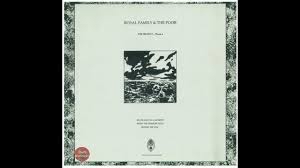
McGough se ne andò per unirsi ai Pale Fountains, diventando in seguito il manager degli Happy Mondays.[4] La formazione originale della band si sciolse e Keane andò in tour a supporto di China Crisis con il nome di Legend Agency, suonando su nastri di accompagnamento.[4] Registrò con Matt Johnson dei brani destinati a essere pubblicati come Legend Agency, ma non vennero pubblicati.[4] Keane lottò contro la dipendenza da eroina e si prese una pausa dalla musica, percorrendo quello che descrisse come un “pellegrinaggio” sul Cammino di Santiago verso Canterbury. [Tornò a registrare per la Factory nel 1983, in quello che sarebbe stato pubblicato l’anno successivo come l’album a tema occulto The Project Phase 1 – The Temple of the 13th Tribe, prodotto da Peter Hook e con la partecipazione di Lita Hara degli Stockholm Monsters e Jon Neesam (dei Walkingseeds).[3] Un secondo album, The Project – Phase 2 – We Love the Moon, fu pubblicato nel 1986, accompagnato da un singolo, “We Love the Moon”. Il gruppo passa poi all’etichetta Gaia Communications di Keane,[4] continuando la sua musica a tema occulto e più orientata all’elettronica in diversi altri album, tra cui In the Sea of E (1987),[1] Songs for the Children of Baphomet (2001) e North-West Soul (2004), con Keane unico membro costante. Nel 2010, McDonald è riemerso per autopubblicare un album intitolato The Pope’s Daughter, anche se Keane non è stato coinvolto.
Tra gli altri membri, in tempi diversi, si annoverano il bassista Ambrose Reynolds (che in precedenza aveva suonato in band di Liverpool come Big in Japan, Hollycaust, Nightmares in Wax e Walkie Talkies, ed era anche membro dei Pink Industry), Jeff Turner (sassofono, clarinetto, chitarra, violino), Karen Halewood (sintetizzatore, voce), John Walsh (basso), Phil Hurst (batteria) e Kif (batteria).[1]
Discography
Studio albums
- The Project Phase 1 – The Temple of the 13th Tribe (1984, Factory Records)
- The Project – Phase 2 – We Love the Moon (1986, Factory Records)
- The Genetic Terrorists (1986, Project Tapes)
- In the Sea of E (1987, Gaia Communications)
- Songs for the Children of Baphomet (2001, Gaia Communications)
- North-West Soul (2004, Boutique)
- The Pope’s Daughter (2010, Gothic Moon Records)
- Haunted with Teresa Kelly (2012, Gothic Moon Records)
Live albums
- Live 1983–1985 (1986, Recloose Organisation)
Compilation albums
- Anthology 1978 – 2001 (2001, Gaia Communications)
- The Project Phase 5 – Portuguese Radio Show – October 1988 (2003, Boutique)
Singles and EPs
- Art – Dream – Dominion 12″ EP (1982, Factory Records)
- “We Love the Moon” 7″ single (1986, Factory Records)
- The Project – Phase 4 12″ EP (1988, Gaia Communications)
Compilation appearances
- “Dirge”, “Vaneigem Mix”, “Dirge”, “Death Factory”, “Dirge” and “Rackets” on A Factory Quartet (1980, Factory Records)
References
- ^ Jump up to:a b c d Strong, Martin C. (2003) The Great Indie Discography, Canongate, ISBN 1-84195-335-0, p. 454, 488
- ^ The Wire, Volumes 245–250, 2004, p. 106
- ^ Jump up to:a b c d e f Nice, James (2010) Shadowplayers: The Rise and Fall of Factory Records, Aurum, ISBN 978-1-84513-540-9, p. 102-3, 260–1
- ^ Jump up to:a b c d e f Nice, James (2003) “The Royal Family and the Poor Biography“. Retrieved 8 August 2011
External links
| Authority control databases: Artists | MusicBrainz |
|---|
 Andrea Biasca-Caroni